

What if you let God's Word give you the words to pray?
Have you ever sat down to pray, only to find yourself saying the same things you've said a hundred times before? Or wondered what else to say?
I've been there.
I love spending time with the Lord, but sometimes my prayers felt repetitive and me-focused. I wanted my conversations with God to be richer and centered on Him.
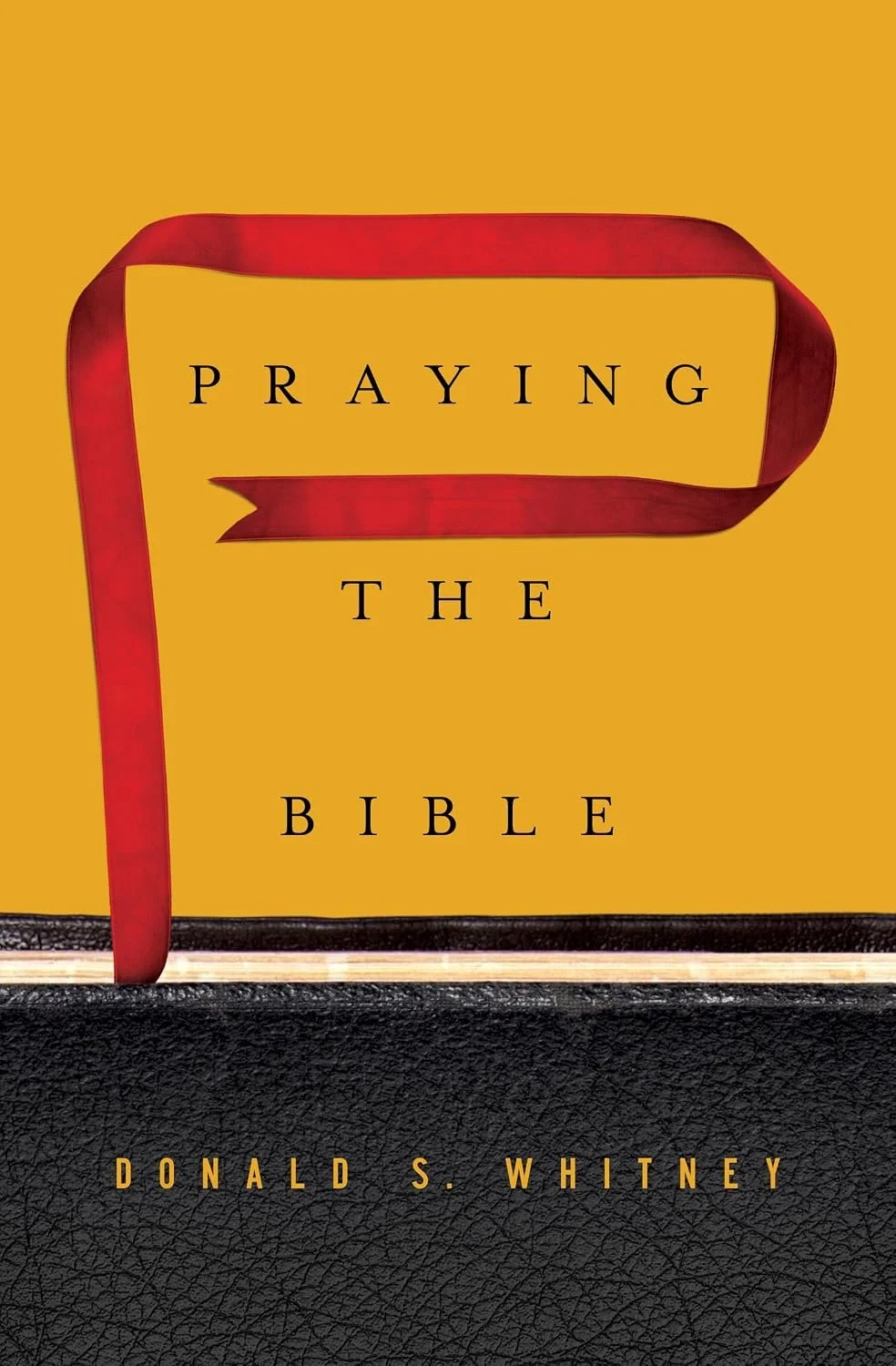
Then I started using an approach I learned from Donald Whitney's book, Praying the Bible.
And it changed the way I pray.
Whitney's idea is simple: Instead of trying to come up with things to pray about, turn the words of Scripture into your prayers.
The Method
Read a verse: The basic approach is to choose a passage of the Bible and pray through it, verse by verse.
Talk to God about it: Instead of analyzing the text—this is prayer, not Bible study—turn each verse into a direct, conversational prayer to God about whatever comes to mind. Allow the Holy Spirit to direct you.
The Psalms approach: Whitney recommends starting with the Psalms. He suggests scanning five, then choosing one to pray.
That's it.
No overthinking.
It’s astounding the difference this simple practice can make!
As I began praying Scripture this way, my prayers became organized, less repetitive, and fresh. I wasn't scrambling to find the right words. God's Word was guiding my prayers.
A surprising benefit: Growing in faith
There's another reason I like this approach.
When we're anxious, it's easy to become consumed by our circumstances. We replay what happened, anticipate what might go wrong, and try to figure out what to do next.
But praying Scripture keeps our attention on the Lord and His Word.
And prayer changes us!
God grows our faith, and we learn to respond differently to anxiety, fear, and worry.
Faith shifts our focus from what we fear to the God we trust.
That's a lesson worth practicing every day.
Start with the Psalms or…
Renegade that I am, I began with the Lord’s Prayer in Matthew 6:9–13, even though Whitney recommends the Psalms.
I knew these words by heart, so I began here.
For this example, I’ll show you a few verses and the prayers I prayed. Your prayers will sound different than mine because the Spirit will bring different thoughts to your mind.
Here goes:
"Our Father in heaven, hallowed be your name."
You might pray:
“Our”—I love that word. It reminds me I am connected to my brothers and sisters in Christ. We are family. “Father”—you are not like my earthly father who was distant and cold. Lots of reasons for that. Thank you, Lord, that you helped me forgive him. You are holy, worthy of my worship, and greater than anything I face today.
"Your kingdom come, your will be done."
Lord, help me desire Your will above my own. Your will, not mine, be done. Teach me to rest in Jesus, even when I don't understand what’s going on or don’t like what’s going on. I surrender to you.
"Give us this day our daily bread."
Father, thank You for providing what I need today. I look at the birds. I see the lilies. Over and over, you’ve shown me that you are a good provider and that you love me. Help me depend on You rather than worry about tomorrow.
See what happened?
We took familiar words from Scripture and turned them into a meaningful conversation with God.
And you didn't have to invent a prayer topic!
Of course, this is just an example. The beauty of Whitney's approach is that your own prayers develop as you consider each verse and what it means.
Why I recommend this book
What I appreciate most about Praying the Bible is its practicality. Whitney doesn't make prayer complicated. He gives you a simple method you can begin using today.
You can start with a Psalm, the Lord's Prayer, or another passage of Scripture. You don't have to pray about every verse, and you don't have to rush. Let God's Word guide your conversation with Him.
If your prayers sometimes feel boring, your mind wanders, or you struggle to know what to say, I think you'll find this book helpful.
And if you struggle with fear, anxiety, or worry, this is a wonderful way to practice turning your attention from the circumstances consuming your thoughts to the God who deserves your trust.
My recommendation? Follow Whitney’s approach: Open your Bible, choose a Psalm, and pray God’s words as the Spirit leads.
You might discover, as I did, that your prayer life becomes more focused and more meaningful, and you’re not bored because you aren’t praying the same things in the same ways over and over.
Don't just read the Bible. Pray it!